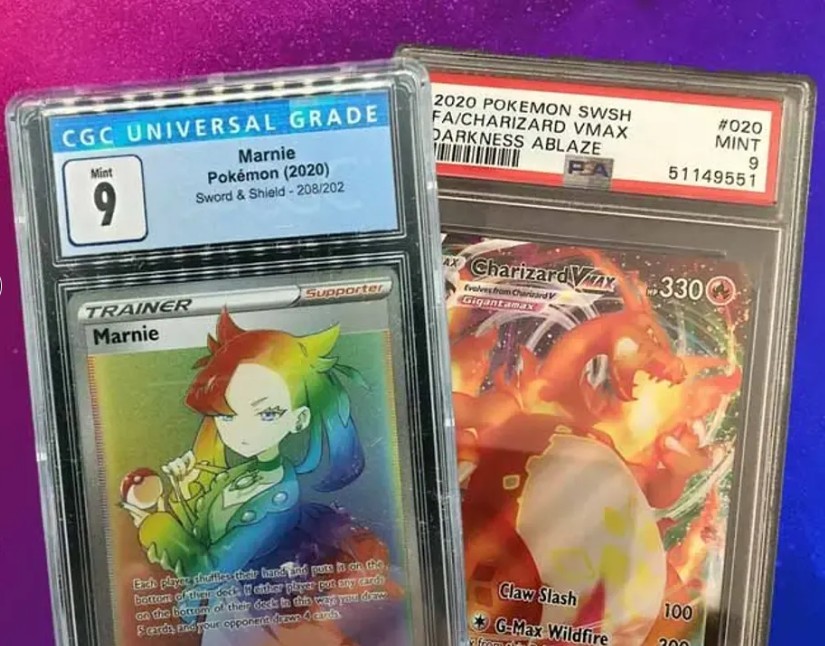
The Anatomy of a Grade
The process of grading a card might seem mysterious, but Emily assures me it's rooted in a detailed analysis of four key aspects: centering, corners, edges, and surface. Each component contributes to the final score, typically on a scale from 1 to 10.
Corners and Edges: The Telltale Signs
"They're like the card's skeleton," Emily says. "Any wear, like blunting or fraying, can significantly lower a card's grade." She recounts a story of a collector who brought in a 1952 Topps Mickey Mantle card.
Surface: The Unseen Enemy
"Scratches, print lines, and even fingerprints can be detrimental," Emily notes. "We use special lighting and magnification to spot these flaws."
Myths and Misconceptions
One common misconception is that grading is a subjective process. "While there's room for human error, we follow strict guidelines to ensure consistency," Emily reassures.
Preservation: The Smart Investment
In the end, the world of trading card grading is as much about preservation as it is about evaluation. Whether you're chasing the next big score or cherishing a sentimental piece, understanding the grading process is key to unlocking the full potential of your collection.
Ready to protect your collection?
Collectors can request a quote in minutes through WAX's digital platform, and brokers can contact us to discuss multi‑asset coverage. WAX is your trusted partner for safeguarding every facet of your collection.