Collectibles
This is where nostalgia meets niche markets. Dive into trading cards, comics, memorabilia, sneakers, toys, and pop culture ephemera—each with its own community, cadence, and cult following. We break down the hype cycles, highlight grails, and help collectors understand what makes something truly collectible in today’s ever-evolving landscape.
This is where nostalgia meets niche markets. Dive into trading cards, comics, memorabilia, sneakers, toys, and pop culture ephemera—each with its own community, cadence, and cult following. We break down the hype cycles, highlight grails, and help collectors understand what makes something truly collectible in today’s ever-evolving landscape.
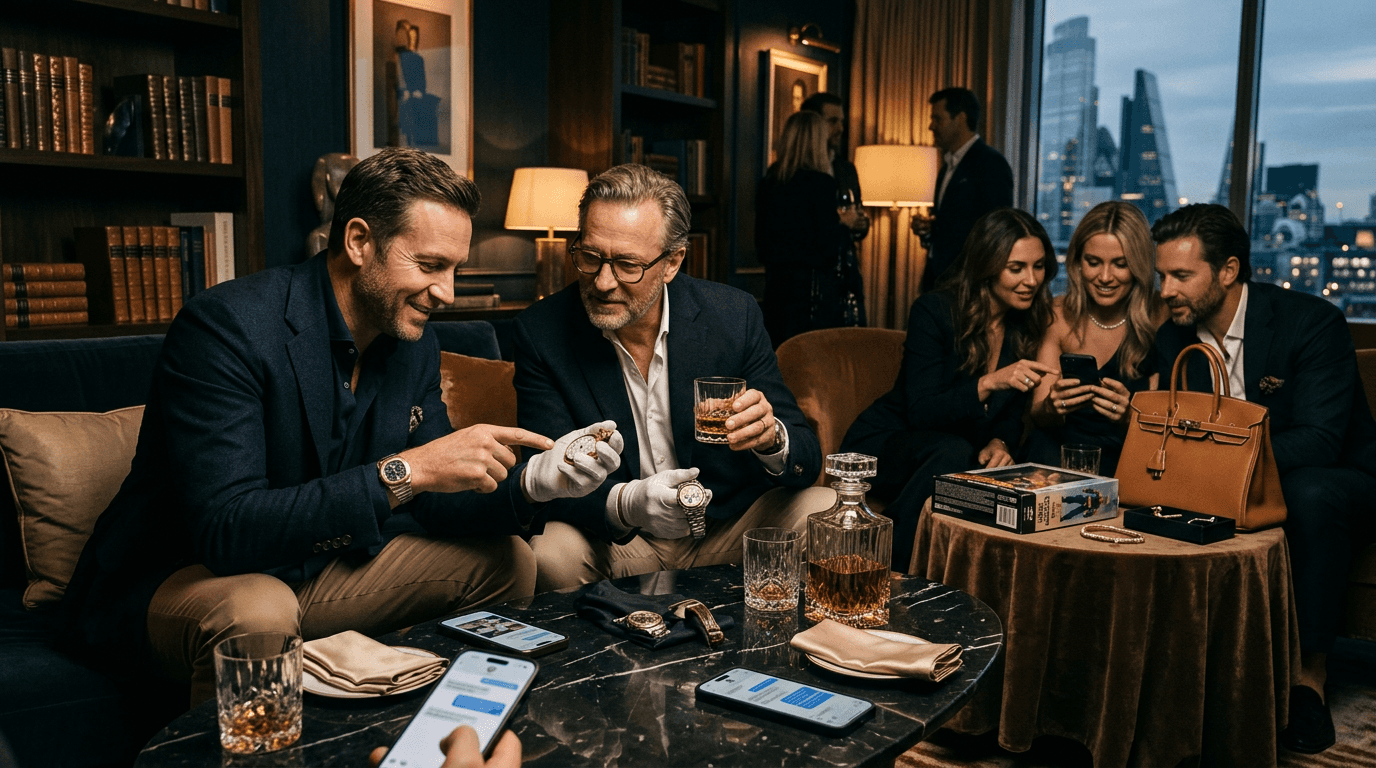
At WAX Collect, we’ve observed a fundamental move away from "the hoard" toward "the narrative." Collecting has transformed from a hobby of acquisition into a high-stakes exercises in personal branding and identity.
From Accumulation to Curation
The distinction between a hobbyist and a true collector lies in the why. For the modern enthusiast, a collection is a living curriculum vitae. If you walk into a room and see a wall featuring a 1948 Leaf Jackie Robinson, a pair of game-worn Jordan 1s, and a first-appearance comic of a marginalized superhero, you aren’t just looking at assets. You are looking at a curated statement on civil rights, athletic excellence, and cultural evolution.
This shift is driven by a desire for hyper-specificity. We see collectors moving away from broad categories and toward "micro-themes." A collector might no longer care about "Vintage Watches"; they care about "Comex-dial Divers with proven maritime provenance." This isn’t just pedantry—it’s an expression of an individual’s obsession with engineering, history, and the specific aesthetics of utility.
The Market Value of Identity
The data supports this psychological shift. In the sports card market, for instance, we’ve seen the "Common" card lose almost all relative value, while "Grail" pieces with specific historical significance—like the 1952 Topps Mickey Mantle—continue to shatter records. Why? Because the Mantle card represents the pinnacle of post-war Americana. Owning it isn't just about the cardboard; it’s about aligning one's identity with a specific era of American greatness.
In the world of high-end sneakers, the shift is even more pronounced. The "hypebeast" culture of 2017—which was about owning what was popular—has matured. Serious collectors are now hunting for prototypes, "Friends and Family" iterations, or pairs with specific ties to defunct design houses. These pieces serve as a "secret handshake." They signal to the world—and to other collectors—that the owner possesses a level of discernment that transcends mere wealth.
The Risk of the Unrecorded Narrative
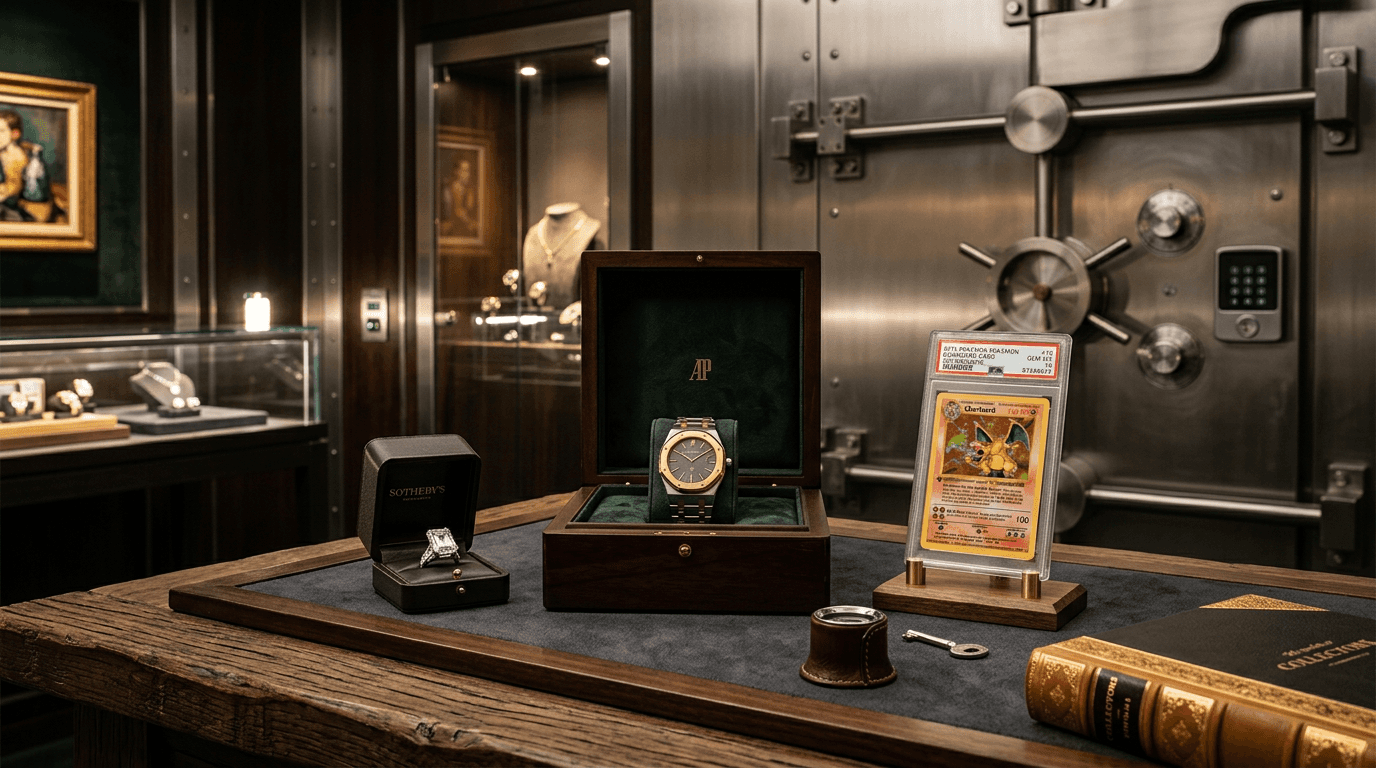
As collections become more personalized, they also become more complex to manage. When your identity is tied to twenty specific assets across four different categories—say, three vintage Patek Philippes, a handful of Blue Chip NFTs, and five iconic sports jerseys—traditional insurance and inventory methods fail.
Standard homeowners' policies are built for "stuff"—generic furniture and appliances. They aren't built for a curated identity. This is where the friction lies. If a collector doesn't have a data-backed inventory of their assets, the "story" behind their collection can be lost in the event of a claim.
At WAX, we built our platform to solve for this exact shift. Our free collection management tool allows collectors to catalog not just what they own, but the context of why those pieces matter. Whether it’s maintaining a clear digital record of provenance or seeking white-glove concierge support to value a unique assortment of assets, protection must be as bespoke as the collection itself.
Why It Matters: The Future of Owning
For the budding collector, this evolution is a green light to follow your interests rather than the market index. The pieces that hold their value over time are often those that resonate emotionally or historically.
For the serious collector, the challenge is maintenance and protection. As your collection becomes a reflection of your legacy, the risk of loss is no longer just financial—it’s personal. An uncatalogued, uninsured collection is a narrative waiting to be erased.
We are living in an era where what we own defines our place in the cultural conversation. Collecting is no longer about filling a shelf; it’s about telling a story. Make sure you have the tools to tell yours correctly—and the coverage to ensure it remains intact.
At WAX Collect, we’ve observed a fundamental move away from "the hoard" toward "the narrative." Collecting has transformed from a hobby of acquisition into a high-stakes exercises in personal branding and identity.
From Accumulation to Curation
The distinction between a hobbyist and a true collector lies in the why. For the modern enthusiast, a collection is a living curriculum vitae. If you walk into a room and see a wall featuring a 1948 Leaf Jackie Robinson, a pair of game-worn Jordan 1s, and a first-appearance comic of a marginalized superhero, you aren’t just looking at assets. You are looking at a curated statement on civil rights, athletic excellence, and cultural evolution.
This shift is driven by a desire for hyper-specificity. We see collectors moving away from broad categories and toward "micro-themes." A collector might no longer care about "Vintage Watches"; they care about "Comex-dial Divers with proven maritime provenance." This isn’t just pedantry—it’s an expression of an individual’s obsession with engineering, history, and the specific aesthetics of utility.
The Market Value of Identity
The data supports this psychological shift. In the sports card market, for instance, we’ve seen the "Common" card lose almost all relative value, while "Grail" pieces with specific historical significance—like the 1952 Topps Mickey Mantle—continue to shatter records. Why? Because the Mantle card represents the pinnacle of post-war Americana. Owning it isn't just about the cardboard; it’s about aligning one's identity with a specific era of American greatness.
In the world of high-end sneakers, the shift is even more pronounced. The "hypebeast" culture of 2017—which was about owning what was popular—has matured. Serious collectors are now hunting for prototypes, "Friends and Family" iterations, or pairs with specific ties to defunct design houses. These pieces serve as a "secret handshake." They signal to the world—and to other collectors—that the owner possesses a level of discernment that transcends mere wealth.
The Risk of the Unrecorded Narrative
As collections become more personalized, they also become more complex to manage. When your identity is tied to twenty specific assets across four different categories—say, three vintage Patek Philippes, a handful of Blue Chip NFTs, and five iconic sports jerseys—traditional insurance and inventory methods fail.
Standard homeowners' policies are built for "stuff"—generic furniture and appliances. They aren't built for a curated identity. This is where the friction lies. If a collector doesn't have a data-backed inventory of their assets, the "story" behind their collection can be lost in the event of a claim.
At WAX, we built our platform to solve for this exact shift. Our free collection management tool allows collectors to catalog not just what they own, but the context of why those pieces matter. Whether it’s maintaining a clear digital record of provenance or seeking white-glove concierge support to value a unique assortment of assets, protection must be as bespoke as the collection itself.
Why It Matters: The Future of Owning
For the budding collector, this evolution is a green light to follow your interests rather than the market index. The pieces that hold their value over time are often those that resonate emotionally or historically.
For the serious collector, the challenge is maintenance and protection. As your collection becomes a reflection of your legacy, the risk of loss is no longer just financial—it’s personal. An uncatalogued, uninsured collection is a narrative waiting to be erased.
We are living in an era where what we own defines our place in the cultural conversation. Collecting is no longer about filling a shelf; it’s about telling a story. Make sure you have the tools to tell yours correctly—and the coverage to ensure it remains intact.


At WAX Collect, we’ve observed a fundamental move away from "the hoard" toward "the narrative." Collecting has transformed from a hobby of acquisition into a high-stakes exercises in personal branding and identity.
From Accumulation to Curation
The distinction between a hobbyist and a true collector lies in the why. For the modern enthusiast, a collection is a living curriculum vitae. If you walk into a room and see a wall featuring a 1948 Leaf Jackie Robinson, a pair of game-worn Jordan 1s, and a first-appearance comic of a marginalized superhero, you aren’t just looking at assets. You are looking at a curated statement on civil rights, athletic excellence, and cultural evolution.
This shift is driven by a desire for hyper-specificity. We see collectors moving away from broad categories and toward "micro-themes." A collector might no longer care about "Vintage Watches"; they care about "Comex-dial Divers with proven maritime provenance." This isn’t just pedantry—it’s an expression of an individual’s obsession with engineering, history, and the specific aesthetics of utility.
The Market Value of Identity
The data supports this psychological shift. In the sports card market, for instance, we’ve seen the "Common" card lose almost all relative value, while "Grail" pieces with specific historical significance—like the 1952 Topps Mickey Mantle—continue to shatter records. Why? Because the Mantle card represents the pinnacle of post-war Americana. Owning it isn't just about the cardboard; it’s about aligning one's identity with a specific era of American greatness.
In the world of high-end sneakers, the shift is even more pronounced. The "hypebeast" culture of 2017—which was about owning what was popular—has matured. Serious collectors are now hunting for prototypes, "Friends and Family" iterations, or pairs with specific ties to defunct design houses. These pieces serve as a "secret handshake." They signal to the world—and to other collectors—that the owner possesses a level of discernment that transcends mere wealth.
The Risk of the Unrecorded Narrative
As collections become more personalized, they also become more complex to manage. When your identity is tied to twenty specific assets across four different categories—say, three vintage Patek Philippes, a handful of Blue Chip NFTs, and five iconic sports jerseys—traditional insurance and inventory methods fail.
Standard homeowners' policies are built for "stuff"—generic furniture and appliances. They aren't built for a curated identity. This is where the friction lies. If a collector doesn't have a data-backed inventory of their assets, the "story" behind their collection can be lost in the event of a claim.
At WAX, we built our platform to solve for this exact shift. Our free collection management tool allows collectors to catalog not just what they own, but the context of why those pieces matter. Whether it’s maintaining a clear digital record of provenance or seeking white-glove concierge support to value a unique assortment of assets, protection must be as bespoke as the collection itself.
Why It Matters: The Future of Owning
For the budding collector, this evolution is a green light to follow your interests rather than the market index. The pieces that hold their value over time are often those that resonate emotionally or historically.
For the serious collector, the challenge is maintenance and protection. As your collection becomes a reflection of your legacy, the risk of loss is no longer just financial—it’s personal. An uncatalogued, uninsured collection is a narrative waiting to be erased.
We are living in an era where what we own defines our place in the cultural conversation. Collecting is no longer about filling a shelf; it’s about telling a story. Make sure you have the tools to tell yours correctly—and the coverage to ensure it remains intact.
May 14, 2026
3 min read
May 12, 2026
4 min read

May 11, 2026
4 min read

Apr 22, 2026
4 min read
Apr 21, 2026
4 min read

Apr 20, 2026
3 min read



Mar 25, 2026
3 min read

Mar 19, 2026
3 min read


Mar 17, 2026
3 min read
Load More
May 12, 2026
4 min read
May 11, 2026
4 min read
Apr 22, 2026
4 min read
Load More
May 12, 2026
4 min read
May 11, 2026
4 min read
Apr 22, 2026
4 min read
Apr 21, 2026
4 min read
Apr 20, 2026
3 min read
Mar 25, 2026
3 min read
Mar 19, 2026
3 min read
Mar 17, 2026
3 min read
Load More